Tell us the room, the ceiling height, and what you are picturing.
What We Offer
Countertop installation is finish carpentry with heavy, unforgiving material. The slab or sheet arrives already made, and everything that determines whether the job looks right and lasts happens in your kitchen: the template, the substrate and support, where the seams land, how the sink and cooktop cutouts are handled, and how the overhangs are braced. SWFL Carpenters installs countertops across Tampa and Sarasota, and this page explains the installer's side of the work, which is the side that decides whether an install succeeds.

Carpenter in Sarasota, FL for millwork, trim, crown molding, wainscoting and carpentry repair. Small jobs welcome. Free estimate: (941) 212-2560.
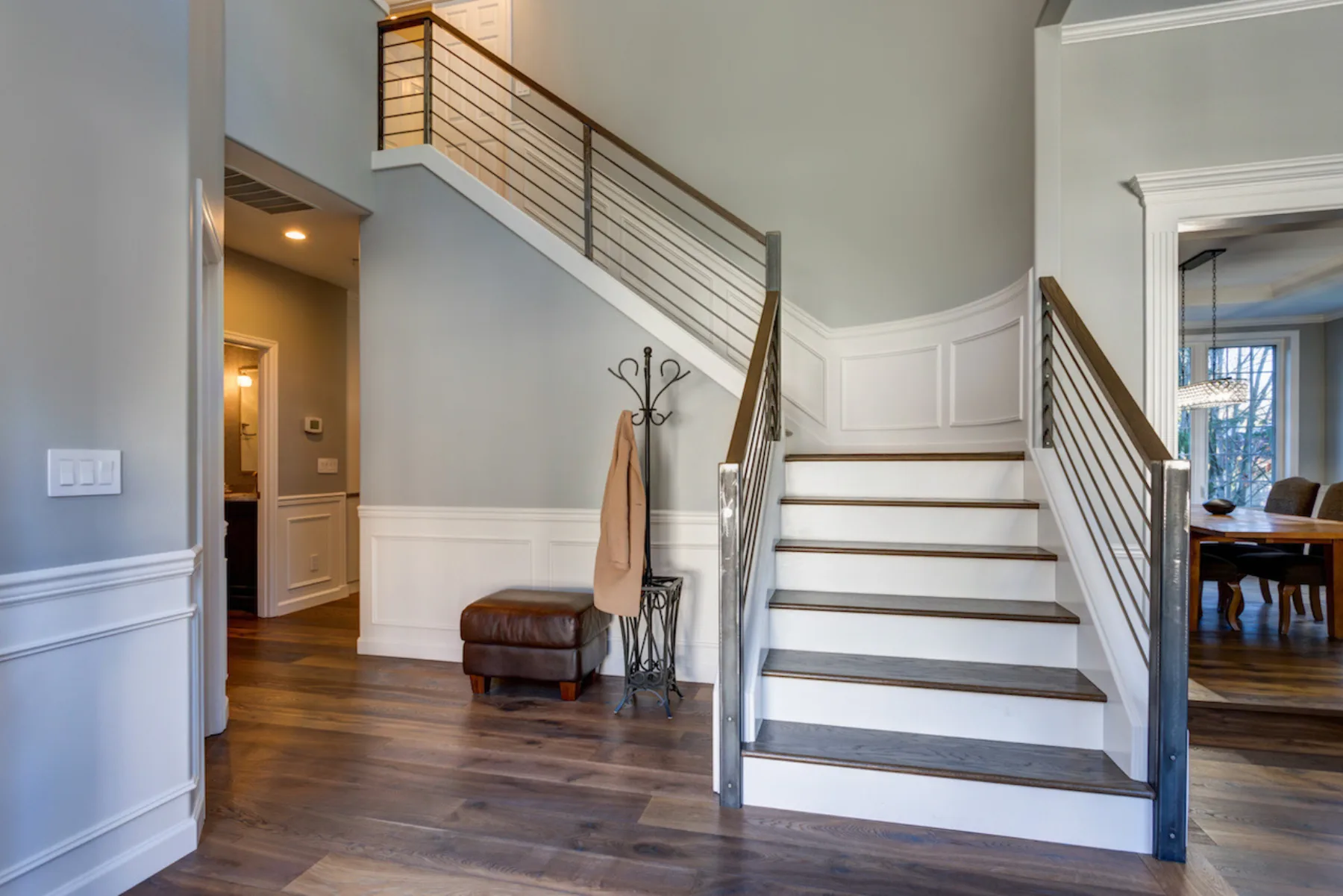
Carpenter in Tampa, FL for crown molding, trim, millwork, built-ins and carpentry repair. Free written estimate. Call (813) 379-9922.
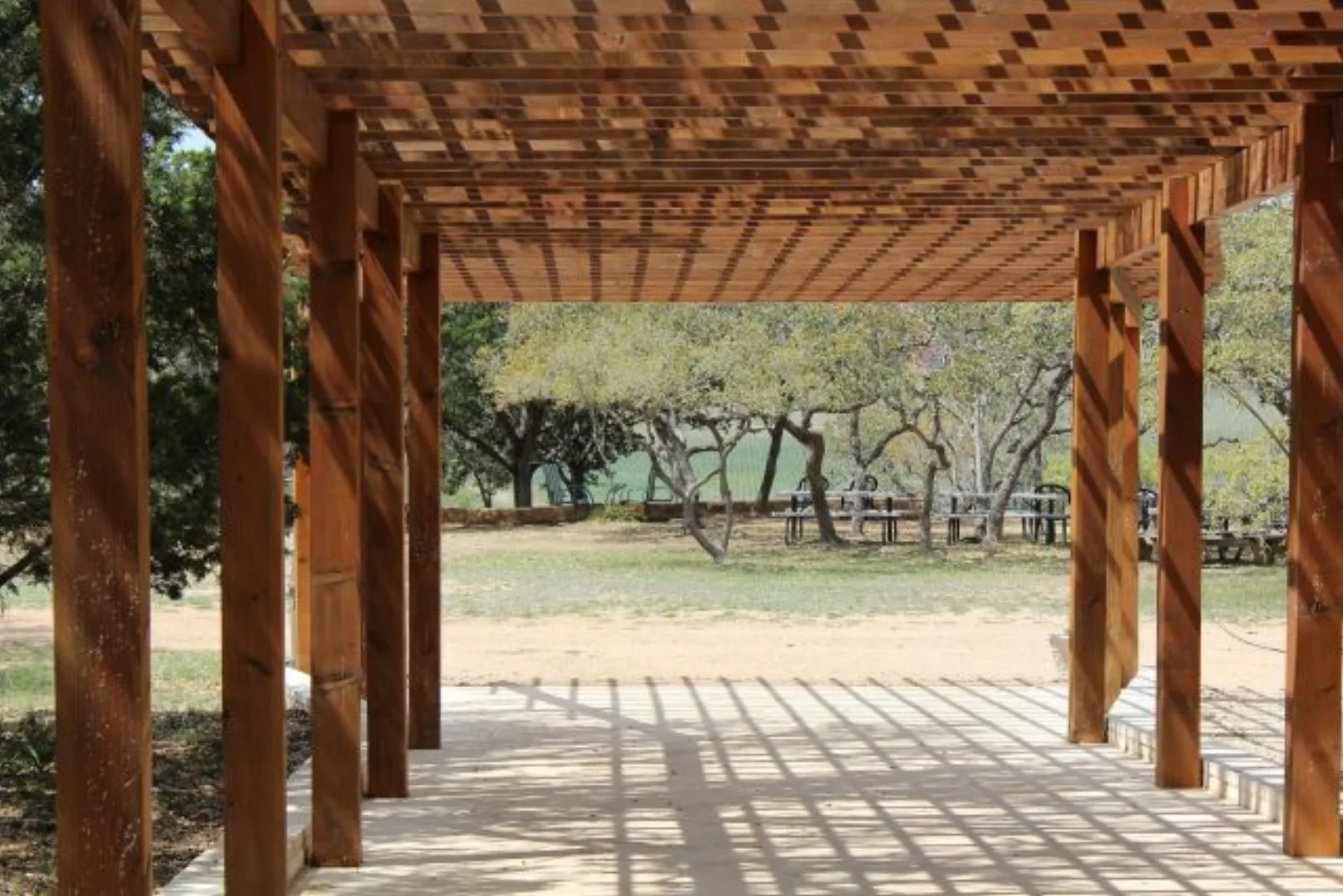
Custom pergola builders in Sarasota and Tampa. Wood pergolas engineered for Florida sun, wind and rain. Free estimate: (941) 212-2560.
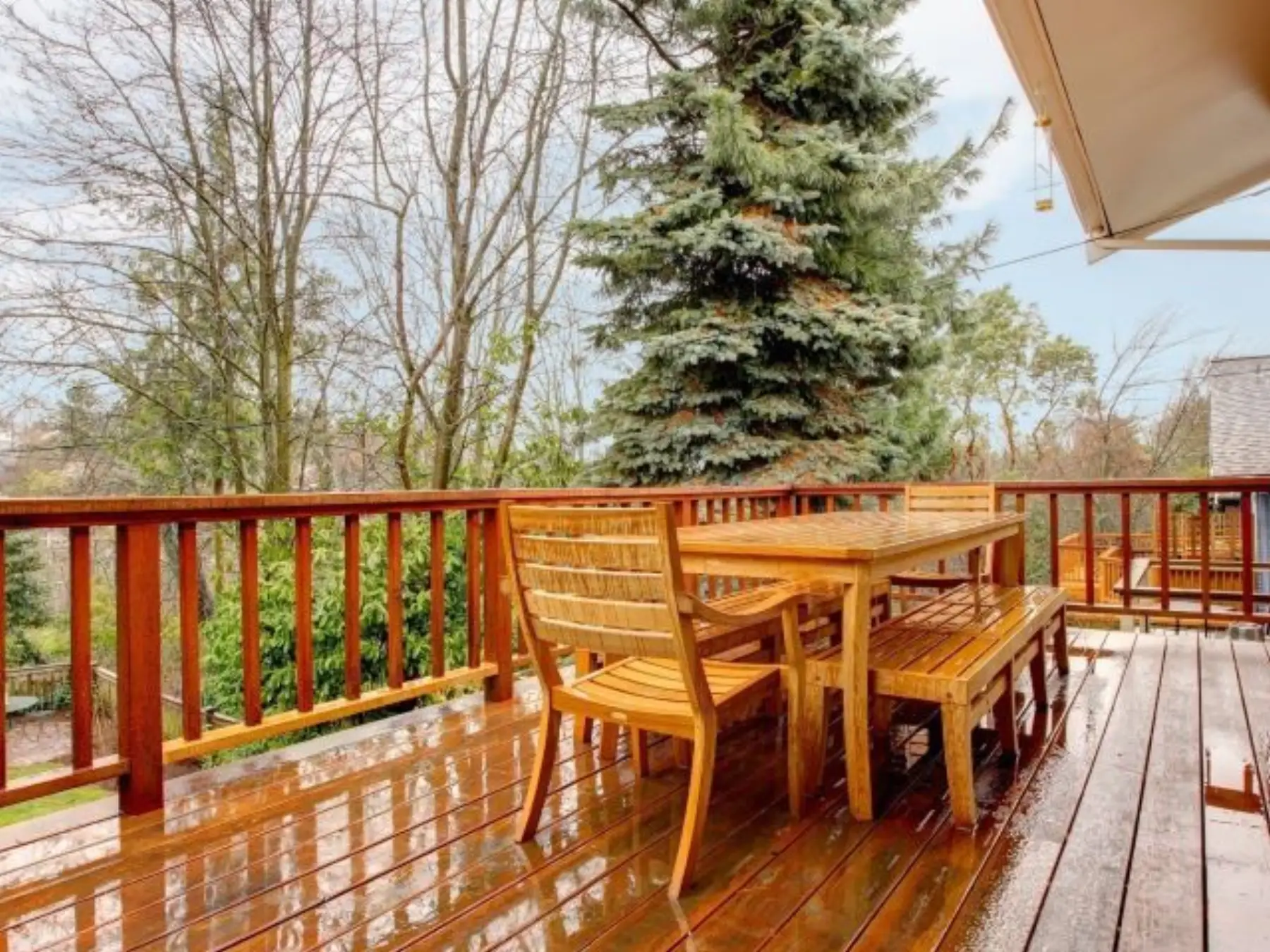
Deck builders in Sarasota, FL. New custom wood decks, deck repair, ledger and joist work built for Florida sun and rain. Free estimate: (941) 212-2560.
How We Work
Homeowners usually shop for the material first and think about installation last. That order is backwards. The same quartz or granite slab can end up as a kitchen that still looks tight after years of use or as a countertop with a lipped seam, a cracked cutout and a sagging breakfast bar, and the difference is almost never the stone. It is the measuring, the support and the fit.
A template is the exact map of your cabinets that the countertop gets cut to, and it has to be made after the base cabinets are fully installed, leveled and anchored. Measuring too early, or measuring off cabinets that still have to be shimmed, produces a top that does not fit. This is the most common root cause behind bad installs, and it happens before the material is ever touched.
Templating captures things a tape measure sketch misses. Walls bow, and a wall that curves a quarter inch over ten feet will leave a gap along the back of a top cut to a straight line unless the template records that curve and the back edge is scribed or the gap is planned into a backsplash. Corners are rarely square. Appliance openings need their real clearances recorded, not the spec sheet numbers. Sinks, faucets, soap dispensers and range locations all get pinned to the template so the cutouts land where the plumbing and gas actually are.
If you are replacing existing tops and reusing the cabinets, the template visit also checks whether those cabinets are worth putting new material on. Sagging rails, water-swollen sink bases and out-of-level runs get found here, not on install day.
What sits under a countertop matters as much as the top itself. Laminate tops are bonded to a particleboard or plywood substrate, and that substrate has to be flat, dry and fully supported, because any hump or hollow telegraphs through the surface. Stone and quartz usually sit directly on the cabinet rails, which means the cabinets themselves are the substrate, and they have to be level across every run before the top goes on.
Level is not cosmetic. Stone is strong in compression and weak in flex. A quartz slab spanning cabinets that are out of level carries bending stress at the high spots, and stress like that finds the weakest point, usually a cutout corner, months after the installers leave. Shimming cabinet runs flat before the top is set is slow, unglamorous work that prevents most long-term failures.
Support also means continuous contact. Gaps between the rail and the slab become drummy spots and stress points. Where cabinets are not full depth, at peninsulas and islands especially, added rails or build-ups carry the load the way the top's maker intended.
Most kitchens need at least one seam because slabs come in fixed sizes and corners require joints. Where that seam lands is a decision, not an accident. Good seam placement keeps joints short, puts them away from the sink and cooktop cutouts where the material is weakest, aligns them with cabinet breaks so both sides are supported, and orients them so the pattern or veining flows across the joint instead of colliding at it.
A well-made seam is flat, tight and color-matched with epoxy tinted to the material. You will still find it if you look, but it will not catch a fingernail or collect grime. A bad seam is lipped, meaning one side sits higher, or wide, or placed where two unsupported slab ends meet over a dishwasher opening. Lips happen when the cabinets under the seam are out of level, which is one more reason the support work comes first.
Corner seams in L-shaped kitchens belong in the corner itself rather than mid-run, because two short pieces meeting at 90 degrees are easier to support and align than one long piece with a joint floating between cabinet sections.
Every cutout removes material and creates corners, and corners are where cracks start. A stone or quartz cutout with sharp inside corners concentrates stress exactly where you do not want it, which is why inside corners of cutouts should be radiused, not squared. The strip of material in front of a sink cutout, often only a few inches wide, is the most fragile part of the whole top, and it needs support during transport, during setting and permanently after.
Undermount sinks hang from the underside of the top, so the cutout edges have to be finished and the sink anchored to carry a basin full of water plus a garbage disposal vibrating under it. The cabinet below has to allow for the sink's depth and the mounting hardware, which is a templating question, not an install-day surprise. Drop-in sinks are more forgiving but still need a cutout sized so the rim bears fully.
Cooktop cutouts live near heat. Clearances to the material, the condition of the cabinet below, and support at the cutout edges all get checked before the opening is cut or ordered. A cutout made on site with the wrong blade or a rushed feed rate chips edges that no amount of epoxy fully hides.
Breakfast bars and seating overhangs are where physics wins arguments. A stone or quartz overhang can only cantilever so far before it needs support. As a general rule of thumb, once an overhang gets past roughly a third of the supported depth, or into the range where a person could lean on the end, it needs brackets or corbels carrying the load. Unsupported overhangs crack, and they crack suddenly, often when someone sits on the edge.
Hidden steel brackets flat to the cabinet, decorative corbels, or a leg at the far end all work. What does not work is construction adhesive and optimism. The support has to be planned before the top is made, because the bracket layout affects the cabinet layout.
Most failed installs trace back to a short list: a top cut from a bad template, cabinets that were never leveled, a seam over an unsupported gap, a sharp-cornered cutout, or an overhang with nothing under it. Every item on that list is preventable, and every one is the installer's job to prevent. That is what you are hiring when you hire a countertop installer: not the material, but the judgment about everything under and around it.
Most of the countertop installation we do in Sarasota is kitchen work: a run along one wall, an island, and a return by the range. Bathrooms and laundry tops follow the same rules on a smaller scale, and the vanity cutout is usually the fussiest part of the job.
People searching for countertop installers near them are generally comparing two different trades without realizing it. A fabricator cuts and polishes the slab at a shop. An installer templates your cabinets, levels and reinforces the support, sets the top, finishes the seams and mounts the sink. Some countertop installation companies do both under one roof; others subcontract one half. Ask which half you are buying before you compare two quotes.
We work as the installing countertop contractor across Sarasota, Tampa, Bradenton and Lakewood Ranch. If you already have a slab on order from a fabricator, we can template and install it. If you have not chosen material yet, we will tell you what each one demands of the cabinets underneath before you commit.
A fabricator cuts and shapes the raw slab or sheet into your countertop, including polishing edges and making cutouts at the shop. An installer handles everything at your house: templating the cabinets, preparing and leveling the support, setting the top, placing and finishing seams, mounting sinks and bracing overhangs. Some companies do both. The installer's half is what determines whether the top fits, sits level and stays intact.
Usually, but it has to be checked. Stone is heavy, and the cabinet boxes need sound rails, solid anchoring and level runs across the whole layout. Sink bases damaged by past leaks, older cabinets with sagging bottoms, and islands that were never fully supported may need reinforcement or repair before a heavy top goes on. That assessment is part of a proper template visit.
The work happens in two stages. Templating takes a single visit once the cabinets are ready. After the top is made, installation of a typical kitchen is usually a day, with larger kitchens, multiple seams or heavy pieces taking longer. Sinks are often left to cure in their mounts before plumbing is reconnected, so plan for the kitchen to be back to full use shortly after rather than the same hour.
You will be able to find it, but you should not be bothered by it. A good seam is tight, flat on both sides and filled with epoxy color-matched to the material. Where the seam lands matters as much as how it is made: short seams placed over solid cabinet support and aligned with the pattern read far better than long seams floating over open spans. If a layout can be done with fewer seams, that trade-off is worth discussing before the top is cut.
Yes, taking out the existing tops is normally part of an installation job. Old laminate usually comes up in sections; old stone gets broken out in pieces. Removing the old tops also exposes the real condition of the cabinets underneath, which is useful information before new material is templated. Mention the existing tops when you call so the visit is planned correctly.
With stone or quartz, undermount is the common choice because crumbs and water wipe straight into the sink and the cutout edge gets a finished polish. It needs solid anchoring to carry the basin's weight. Drop-in sinks work with any material and are simpler to replace later, but the rim interrupts the counter surface. Laminate tops generally pair with drop-in sinks, since the substrate edge cannot be left exposed to water.
Yes. If a fabricator has cut your slab, or a sheet is already on order, we can template, prepare the cabinets and install it. Tell us who made it so we can check the support and seam plan against what they have produced.
Sarasota and Tampa, plus Bradenton, Lakewood Ranch and St. Petersburg. Tell us your area when you call and we will confirm before quoting.
Call SWFL Carpenters in Sarasota at (941) 212-2560 or in Tampa at (813) 379-9922 to schedule a template visit and a free written estimate for your countertop installation.
Send a photo of the space and the rough dimensions and we will come back with a real number for the work.
(813) 379-9922 15219 Plantation Oaks Dr UNIT 4, Tampa, FL 33647
Tampa · Sarasota · Bradenton · St. Petersburg · Lakewood Ranch
We reply fast during working hours.