Tell us the room, the ceiling height, and what you are picturing.
What We Offer
A deck fails from below. The boards you walk on get all the attention, but the framing underneath, the ledger where the deck meets the house, and the fasteners holding it all together decide whether a deck lasts decades or starts bouncing, sagging and rotting early. In Tampa and Sarasota, constant humidity, daily summer rain and coastal salt air make those hidden decisions even more consequential.
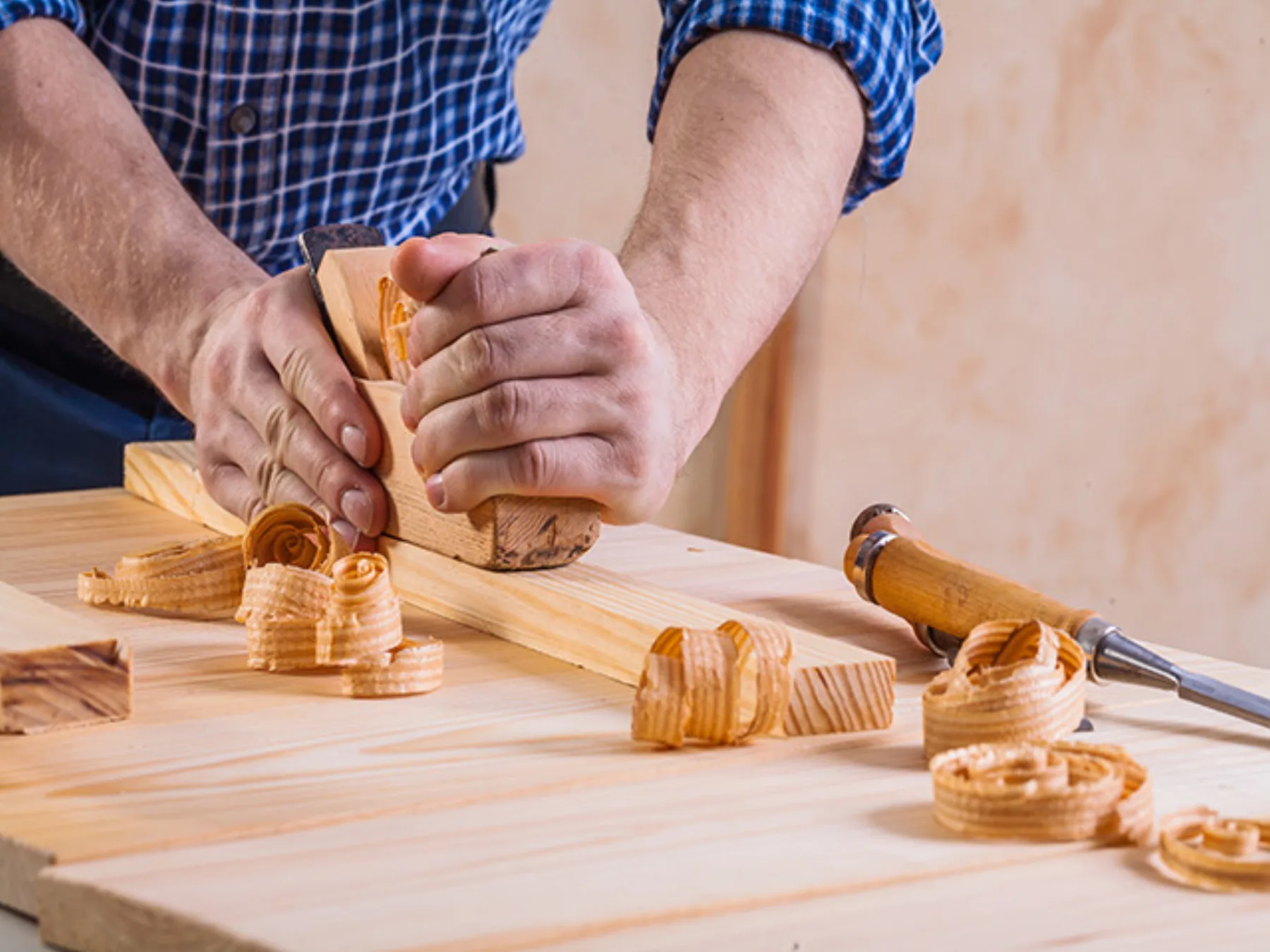
Carpenter in Sarasota, FL for millwork, trim, crown molding, wainscoting and carpentry repair. Small jobs welcome. Free estimate: (941) 212-2560.
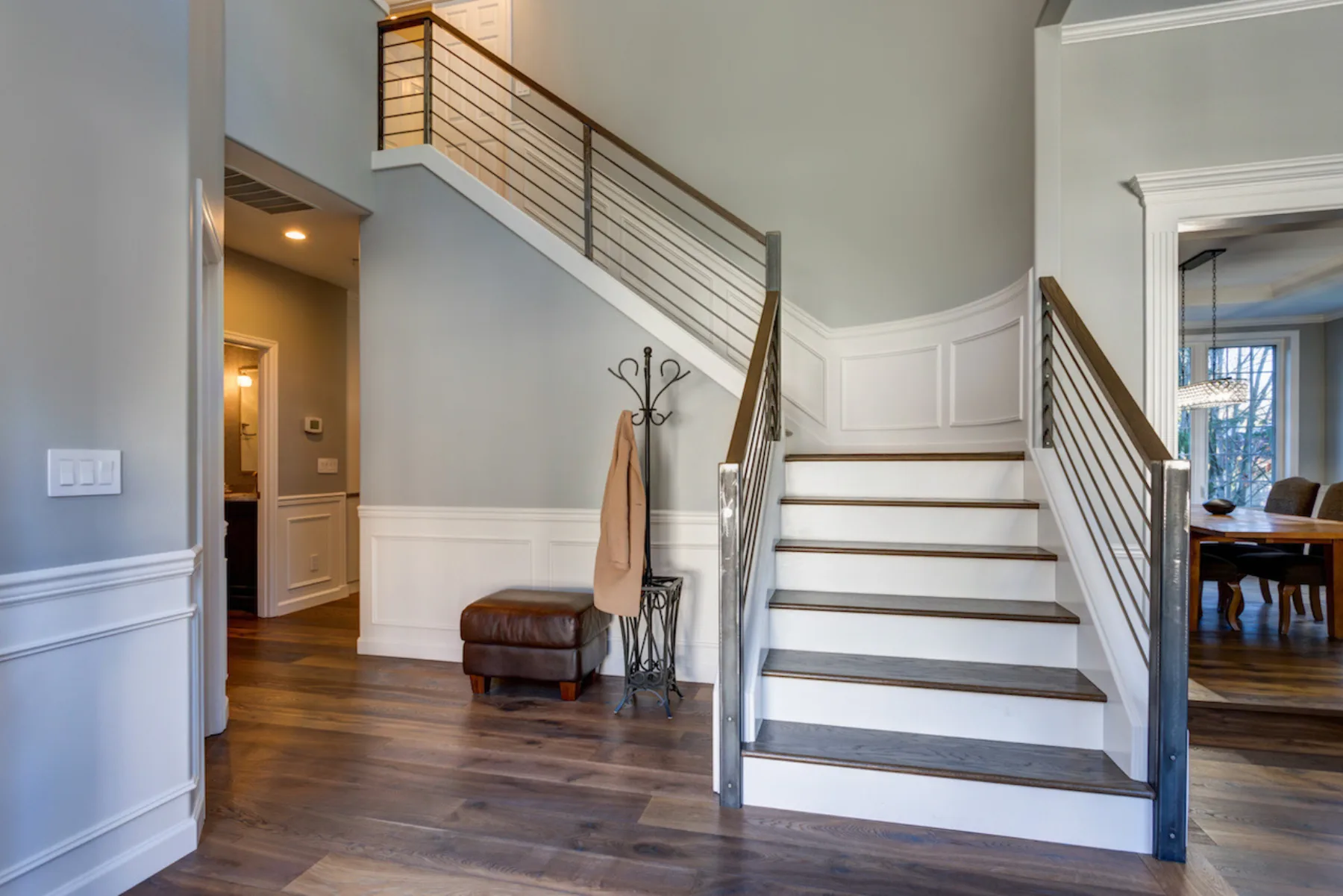
Carpenter in Tampa, FL for crown molding, trim, millwork, built-ins and carpentry repair. Free written estimate. Call (813) 379-9922.
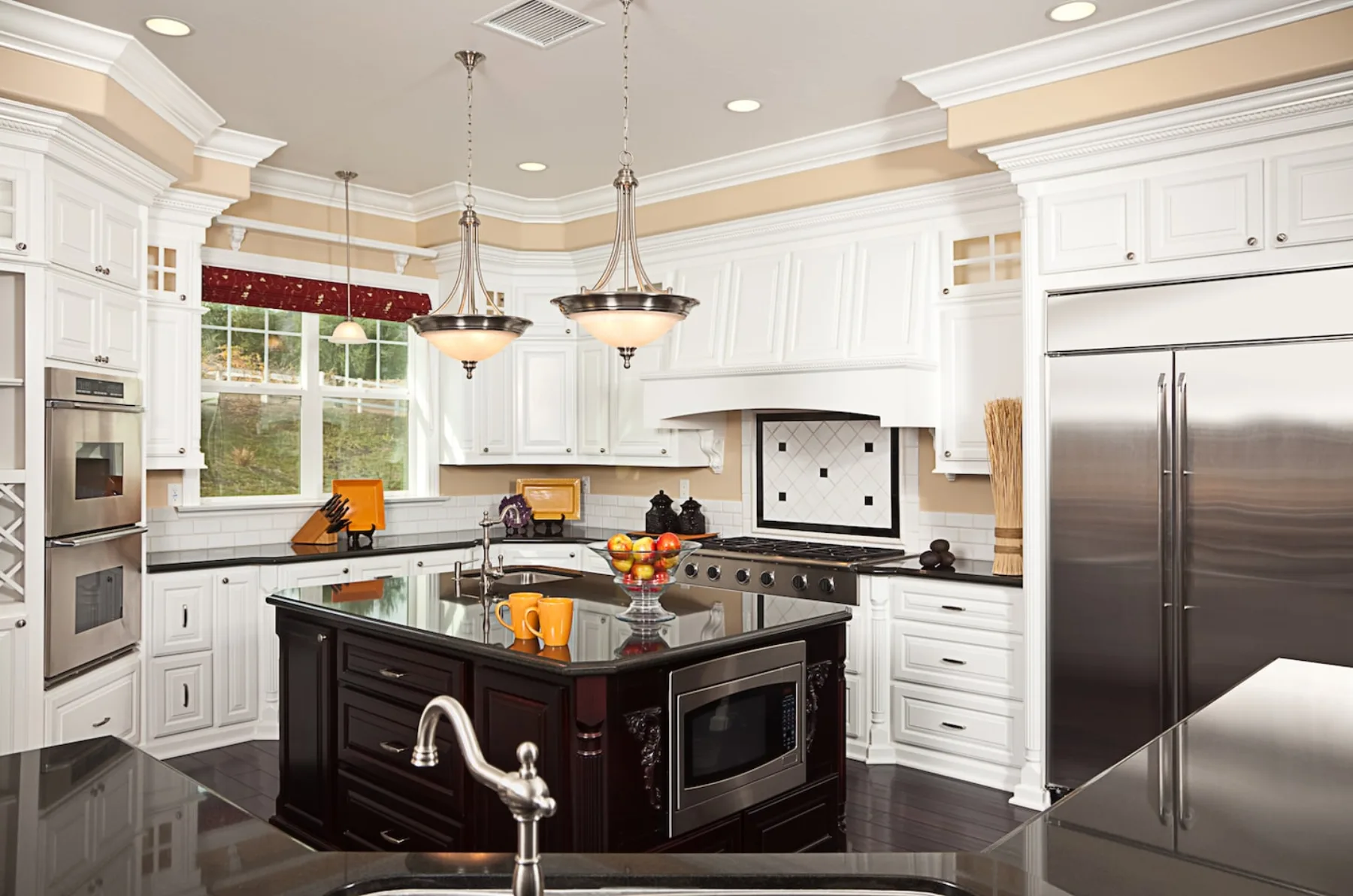
Countertop installation in Sarasota and Tampa: templating, leveling, seams and sink cutouts, plus countertop repair. Free estimate: (941) 212-2560.
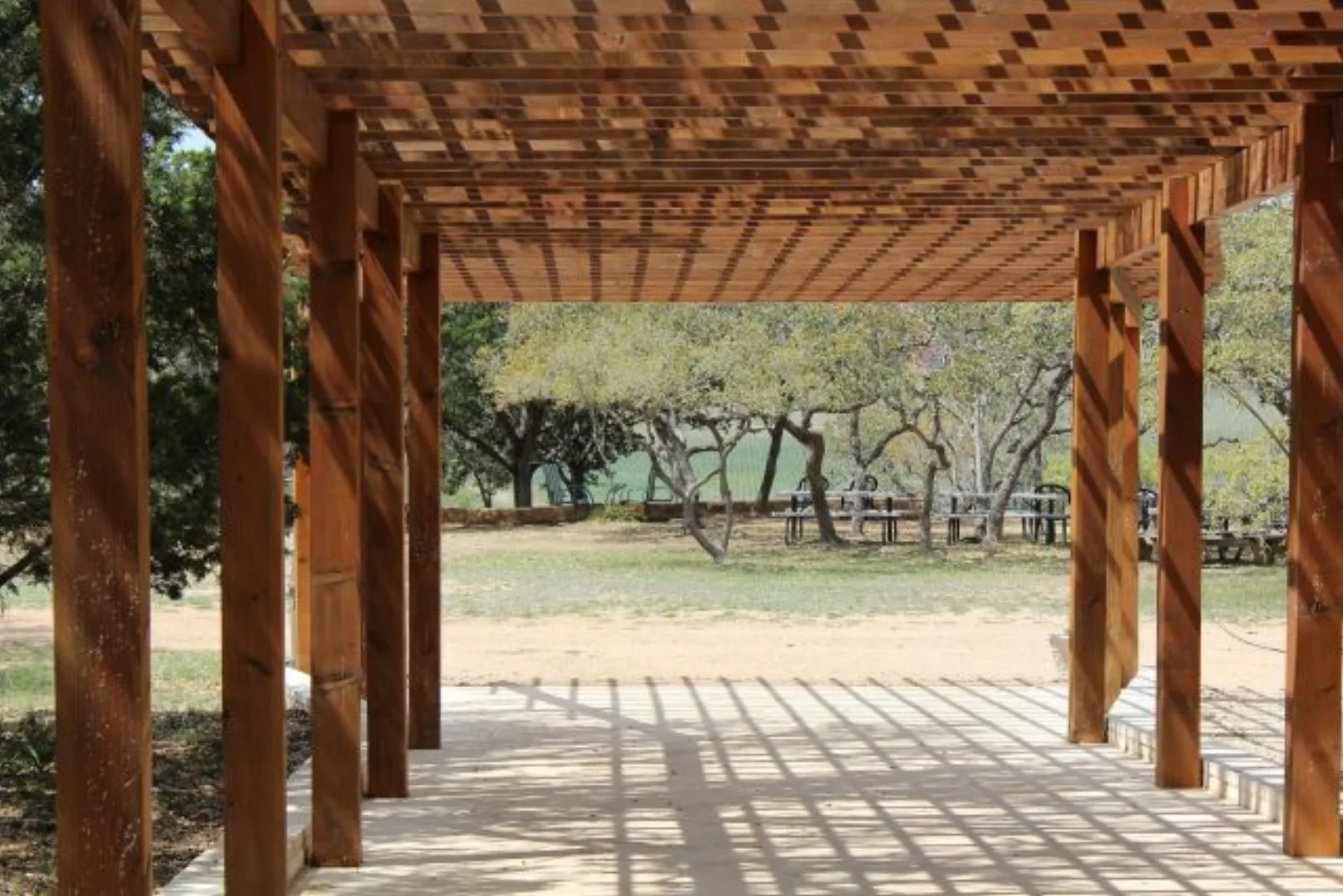
Custom pergola builders in Sarasota and Tampa. Wood pergolas engineered for Florida sun, wind and rain. Free estimate: (941) 212-2560.
How We Work
SWFL Carpenters builds and repairs decks across Tampa and Sarasota, from ground-level platforms to elevated decks, stairs, railings and deck repair work. If your existing deck feels soft, bouncy or loose at the house, call (941) 212-2560 for Sarasota or (813) 379-9922 for Tampa for a free estimate.
Joist spacing and span are matched decisions. Spacing is how far apart the joists sit, commonly 12 or 16 inches on center. Span is how far each joist runs between supports. The decking material you choose sets the spacing: wood decking can bridge wider spacing, while many composite boards require tighter spacing or they flex underfoot and sag between joists over time. Span then sets joist size, because a joist that carries too far for its depth deflects, and deflection is the bounce you feel and the puddles you see.
Beams and footings carry the joists, and they follow the same logic: post spacing sets beam size, and every post lands on a footing that spreads the load into the ground. Over spans are a comfort and safety problem, not just a cosmetic one. A deck that flexes works every fastener and connector back and forth with each footstep, loosening the whole frame season by season.
The ledger is the board that ties an attached deck to the house, and it is the most dangerous detail in deck building. Done wrong, it fails two ways. Structurally, a ledger nailed into sheathing or rim material without proper connection can pull away from the house under load. From water, an unflashed ledger lets rain run down the wall, sit against the rim joist, and rot the house framing itself, hidden behind the deck for years.
Correct ledger work means bolting or lagging the ledger through into solid house framing with the right fastener pattern, and flashing it so water cannot reach the wall: flashing that tucks behind the wall covering above the ledger and kicks out over its face, so every drop is directed onto the deck surface instead of into the joint. If you own an older deck, a soft or stained band of wall along the ledger line is a warning worth acting on before the framing behind it is gone.
Deck hardware lives in a harsh chemical bath: treated lumber, constant moisture, and in Sarasota's coastal zones, salt in the air. Ordinary electro-galvanized screws and connectors corrode fast in these conditions, and corroded fasteners are not just ugly; they lose strength and stain the wood around them. Hot-dipped galvanized or stainless steel fasteners, joist hangers and post bases are the correct spec here, and the fastener coating must be compatible with the treatment chemicals in modern pressure-treated lumber.
Hidden fastener systems for decking have their own trade-offs: they leave a clean surface but rely on clips and edge grooves, so board spacing and ventilation underneath the deck matter even more. A deck needs airflow below it to dry after rain. Framing that stays wet because it is boxed in with skirting and no ventilation rots from the bottom up.
Good framing layout starts on paper: where the beams run, where stairs land, how railing posts will be blocked and braced, and how board layout will land so cut boards do not leave slivers at the house or the outside edge. Railing posts are a structural item, not a trim item. A post bolted only through the deck boards will loosen; posts need blocking between joists and through-bolting into the frame so a leaning adult cannot work them loose.
Decking material choice changes the maintenance picture. Pressure-treated wood is economical and can be refinished, but it checks and cups if not maintained. Tropical hardwoods are dense and durable but heavy and hard on fasteners. Composites stay consistent and need little upkeep, but they expand and contract along their length with temperature, so gapping and fastening must follow the manufacturer's layout exactly or boards buckle at the ends. Each option is honest; the mistake is installing any of them as if it were another.
Probe the framing, not the surface. Soft spots in joists, posts or the ledger, rusted hangers, loose railings and bounce underfoot all point to structural work. If the frame is sound and only the deck boards are worn, resurfacing can be enough. We inspect the structure during a free estimate and tell you plainly which situation you have.
Repair cost depends entirely on what the framing shows once it is inspected: a few sistered joists and new hardware is a very different job from a rebuilt ledger or reframed section. We do not quote numbers blind. Call (941) 212-2560 for Sarasota or (813) 379-9922 for Tampa for a free written estimate.
That is almost always a ledger flashing problem. Water running down the wall was never directed over the face of the ledger, so it has been soaking into the joint and the house framing behind it. The fix involves removing the affected boards, repairing any rotted framing, and reflashing the ledger connection correctly.
Wood costs less up front and can be sanded and refinished, but it needs regular sealing in Florida sun and rain. Composite needs little maintenance and stays uniform, but it runs hotter underfoot, costs more, and expands along its length so installation tolerances are tighter. Your budget, shade exposure and appetite for maintenance decide it; we walk through both during the estimate.
A straightforward ground-level deck is a relatively short build once footings are in; elevated decks with stairs and railings take longer, and permitting can affect the calendar. Material lead times also play a part. Your written estimate includes a realistic schedule for your specific project.
Yes, provided the existing frame can support them. Stairs need proper stringer support and landings, and railing posts need blocking and through-bolts into the framing, not just screws into deck boards. We assess the frame first so the new work is anchored to something sound.
From ledger flashing to joist layout, we build and repair decks that stay solid in Florida weather. Free estimates: Sarasota (941) 212-2560, Tampa (813) 379-9922.
Send a photo of the space and the rough dimensions and we will come back with a real number for the work.
(813) 379-9922 15219 Plantation Oaks Dr UNIT 4, Tampa, FL 33647
Tampa · Sarasota · Bradenton · St. Petersburg · Lakewood Ranch
We reply fast during working hours.